
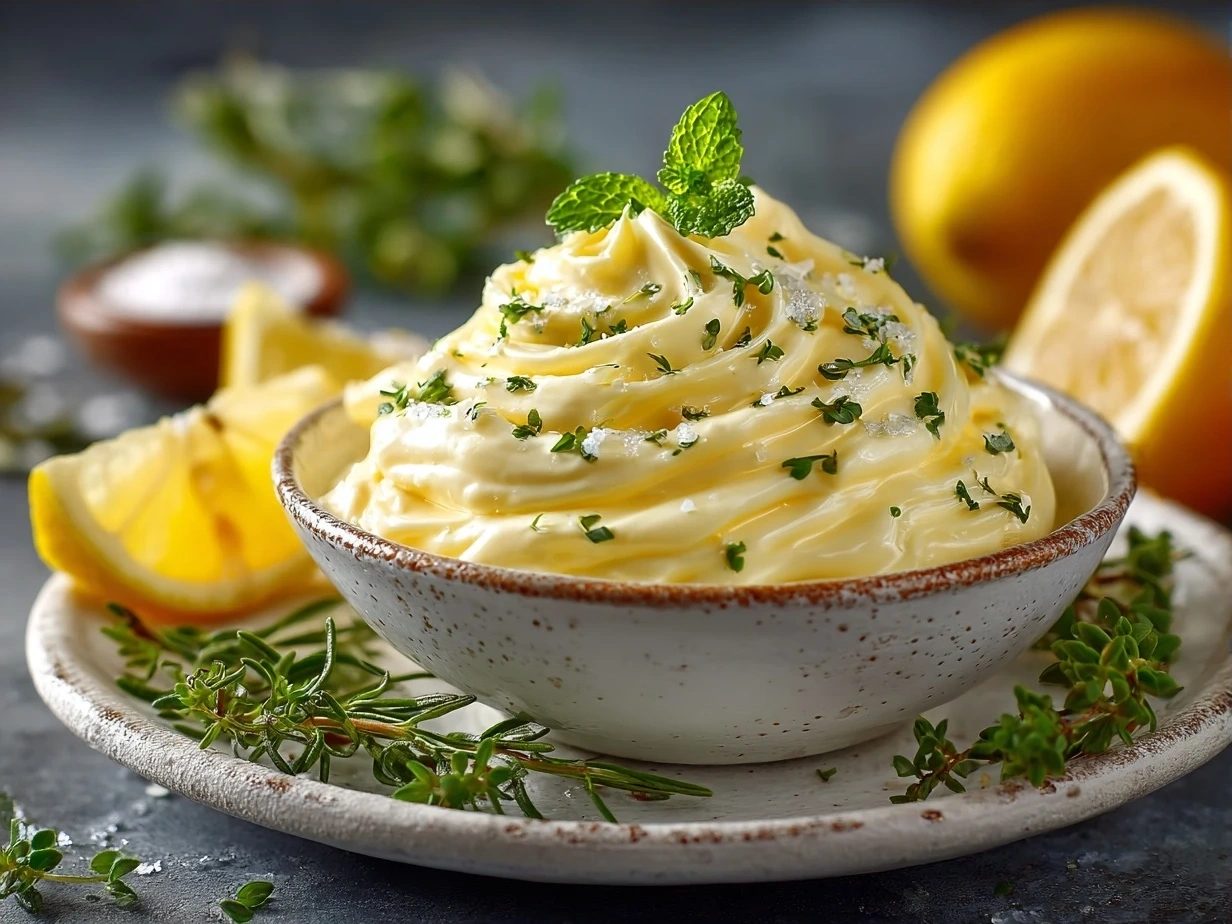
There’s something wildly satisfying about whisking together homemade mayonnaise in your own kitchen. My first dive into homemade mayonnaise came from a curious craving for that creamy, tangy hug you get with a good spread—without the mystery of store-bought additives. I remember that moment perfectly: standing at the counter, mixing egg yolks, oil, and that bright splash of lemon juice, wondering if I’d end up with a kitchen mess or a silky sauce. When the homemade mayonnaise finally emulsified and thickened, it felt like a little victory dance was in order.
This homemade mayonnaise version is special because it balances tang and creaminess just right, with a hint of mustard to sharpen the flavor without shouting over it. The texture is perfectly smooth, spreadable, and clings to sandwiches or dips without being too heavy. The best part? It’s ready in about 10 minutes with everyday ingredients. No fancy gadgets or complicated steps—just a little elbow grease and some kitchen curiosity.
What makes homemade mayonnaise irresistible to me is how fresh it tastes—there’s a brightness that store brands can’t match. Plus, it’s a playground for flavor experiments, from adding garlic for a quick aioli twist to mixing in fresh herbs for summer sandwiches.
Ready for your own homemade mayonnaise adventure? Let’s get creative, have fun, and whip up something that’ll make your taste buds smile.
Gather These Ingredients:
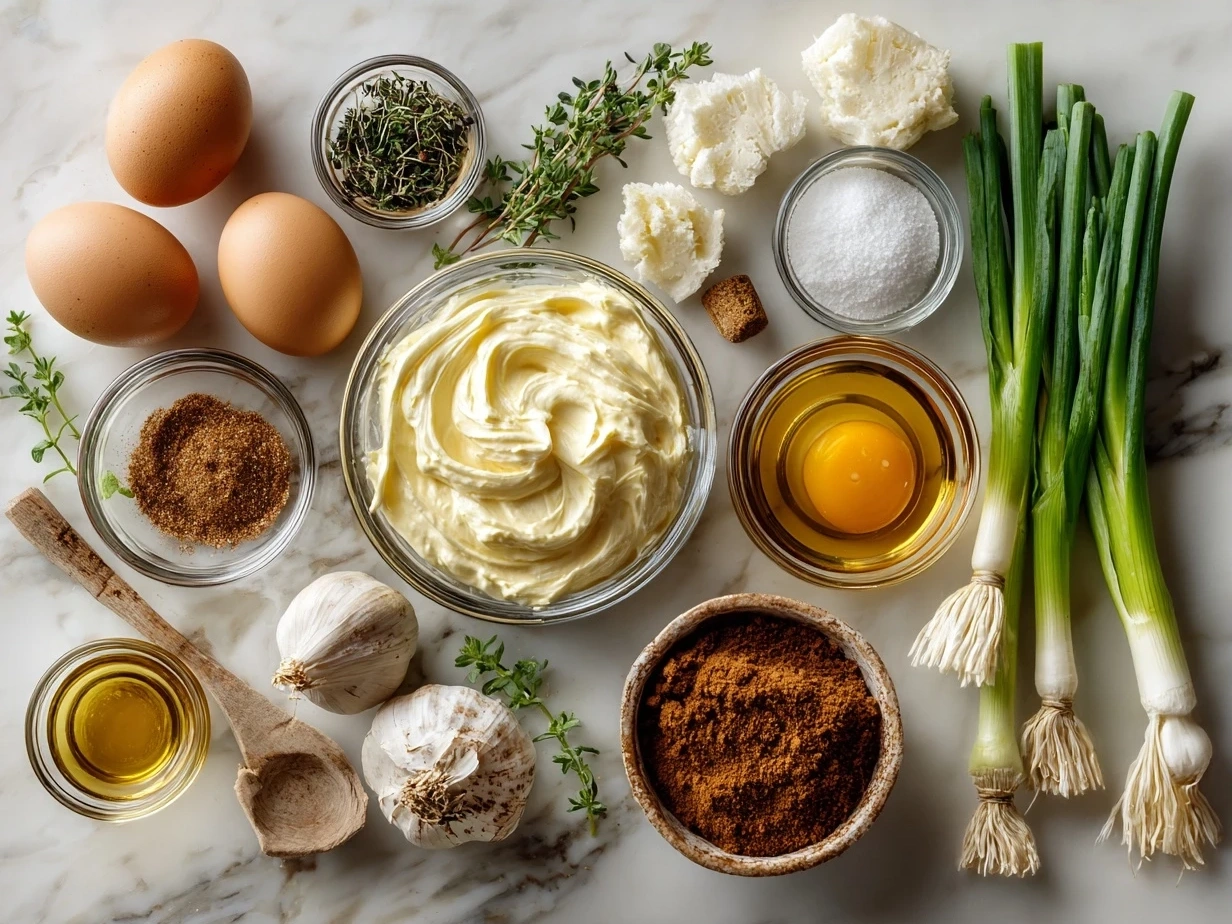
This homemade mayonnaise recipe shines with a handful of fresh and pantry-friendly ingredients that come together like old friends. Here’s what you need:
- 1 large egg yolk (room temperature) – This is your creamy base. I always reach for the freshest eggs I can find for the best texture and taste.
- 1 tablespoon Dijon mustard – It brings that signature tang and helps stabilize your homemade mayonnaise.
- 1 tablespoon white wine vinegar or lemon juice – Adds a bright zing that balances the richness.
- 1 cup neutral oil (like sunflower, grapeseed, or light olive oil) – For that silky texture. Want to switch things up? Try avocado oil for a buttery note or a mild extra virgin olive oil for a greener flavor.
- Salt to taste – This pulls the flavors together.
- Optional: a pinch of sugar – Just a touch if you like your mayo slightly sweet.
If you can’t find Dijon mustard, check the international aisle—it often hides there. For an easy shortcut, I like to keep eggs and good-quality mustard on hand so I’m always ready for a batch of homemade mayonnaise.
Quality counts here. The fresh egg yolk provides richness and the right emulsifying magic, while a clean, neutral oil lets the tangy notes shine. This homemade mayonnaise comes together with pantry staples and a few flavor heroes that make all the difference.
Let’s Make This Happen!
Making homemade mayonnaise feels fancy but it’s really just about patience, the right technique, and a little excitement as it thickens. This recipe takes about 10 to 15 minutes from start to finish, and you’ll want to focus on each step to nail that creamy, smooth texture.
- Start by whisking the egg yolk, Dijon mustard, and vinegar (or lemon juice) in a clean bowl. This trio is the base of your DIY mayonnaise and sets the stage for a beautiful emulsion. Get your whisk ready—it’s going to be your best friend.
- Next, begin adding the oil very slowly—start with just a few drops at a time while whisking vigorously. This step is where the magic happens in your homemade mayonnaise—don’t skip it! Going slow invites the oil to blend nicely with the egg yolk without separating.
- As your mixture thickens and emulsifies, you can increase the oil stream to a thin, steady drizzle. If your homemade mayonnaise seems a bit thin or grainy, don’t sweat it—just whisk harder or add a few drops of water to bring it back together.
- Once you’ve added all the oil and your mixture looks thick, creamy, and holds stiff peaks, season with salt and taste for balance. Adjust vinegar or lemon juice if you want a bit more zing.
- Your homemade mayonnaise is ready to go! It should be smooth with a glossy finish. If the texture isn’t silky, try whisking it a bit longer or starting again with a fresh egg yolk and slowly incorporating what you have.
One kitchen-tested trick I learned: if your homemade mayonnaise breaks (meaning oil separates and looks oily), don’t panic. Start with a fresh egg yolk in a clean bowl and very slowly whisk the broken mayo into it. You’ll save it and keep your batch!
Pro tip: While your homemade mayonnaise is cooking, prep your sandwich ingredients, veggies, or whatever you’re pairing with it—minutes well spent dreaming about that first bite.
Serving Ideas & Pairings!
This homemade mayonnaise is a true crowd favorite for a reason. I love slathering it on toasted bread with ripe tomatoes and fresh basil. It also shines as a base for creamy dressings or a dip for crispy fries.
For an easy side, pair your mayo with crunchy carrot sticks, grilled chicken tenders, or even as a sauce atop my recipe keeper, the cream cheese sausage balls (check them out on MilaBites!). Want a heartier meal? It’s dreamy dolloped alongside the Simanim Stuffed Butternut Squash, adding richness to those fall flavors.
Leftovers? Don’t let them sit lonely in the fridge. This homemade mayonnaise makes a quick tartar sauce by mixing in chopped pickles and herbs or a spicy twist with a dash of hot sauce.
Seasonally, mixing fresh dill and lemon zest into your mayonnaise makes it fantastic for spring picnic sandwiches. Or stir in chipotle powder for smoky winter sandwiches.
People often tell me this mayo tastes fresher and more vibrant than anything store-bought. It’s one of those small joys that turns everyday meals into something special.
Common Questions About This Recipe
Can I prep this homemade mayonnaise in advance?
Absolutely! Homemade mayonnaise keeps well in the fridge in an airtight container for about a week. Just give it a stir before using.
What can I use instead of Dijon mustard in homemade mayonnaise?
If you don’t have Dijon, yellow mustard or even a small pinch of dry mustard powder works. I’ve also tried adding a teaspoon of whole grain mustard for a textured twist that’s fun with sandwiches.
How do I scale this homemade mayonnaise recipe up or down?
Easy! The ratio is pretty flexible. For a small batch, halve the ingredients. For a big batch, double or triple, but always add the oil slowly to keep that emulsion happy.
Is using raw egg safe in homemade mayonnaise?
Good question. I recommend using the freshest eggs you can find—pastured or organic if possible. If you’re worried, some folks use pasteurized eggs. For more confidence, this Failproof Homemade Mayonnaise Recipe covers safety tips and tricks.
What oil is best for homemade mayonnaise?
Neutral oils like sunflower, grapeseed, or light olive oil are classic choices. I’ve had great success with avocado oil too! For a bolder taste, try a mild extra virgin olive oil but use half olive oil and half neutral oil to keep the flavor balanced.
Why did my homemade mayonnaise break?
Usually, it’s because the oil was added too quickly or the bowl/whisk was cold. Try whisking in a warm spot, adding oil slowly, and using room temperature ingredients.
Can I add other flavors to homemade mayonnaise?
Yes! Garlic, herbs, sriracha, smoked paprika—the sky’s the limit. For easy inspiration, Downshiftology’s super easy Mayonnaise Recipe has several fun flavor tweaks you can try.
My Final Take
This homemade mayonnaise recipe is a true recipe keeper on MilaBites because it’s simple, forgiving, and endlessly adaptable. I’ve tested it across dozens of kitchen experiments, and the version here consistently nails that rich, creamy texture with bright, balanced flavor.
My Top homemade mayonnaise Tips:
- Use room temperature eggs and oil to get the smoothest texture.
- Add your oil slowly—patience pays off every time.
- Don’t be afraid to rescue broken mayo by whisking it into a fresh yolk.
I’ve tried variations with roasted garlic (a total crowd-pleaser), lemon herb with fresh thyme and parsley, and spicy chipotle mayo that’s become a hit at backyard barbecues. The classic Dijon-based homemade mayonnaise still gets the most compliments, though—it’s reliably delicious every time.
This recipe feels special because it invites you to play, tweak, and customize. Whether you’re making a small batch for a sandwich or a big dollop to share with friends over my authentic crockpot chicken pozole verde (a perfect pairing for bold flavors!), you’ll find homemade mayonnaise that fits your style.
Give this homemade mayonnaise a try and watch your kitchen turn into a fun flavor adventure that makes everyday meals memorable.
If this recipe speaks to you, you’ll want to try my Easy Homemade Mayonnaise Recipe for another fun take on creamy deliciousness. For more saucy inspiration, check out my Cream Cheese Sausage Balls recipe—that mayo would pair perfectly as a dipping sauce!
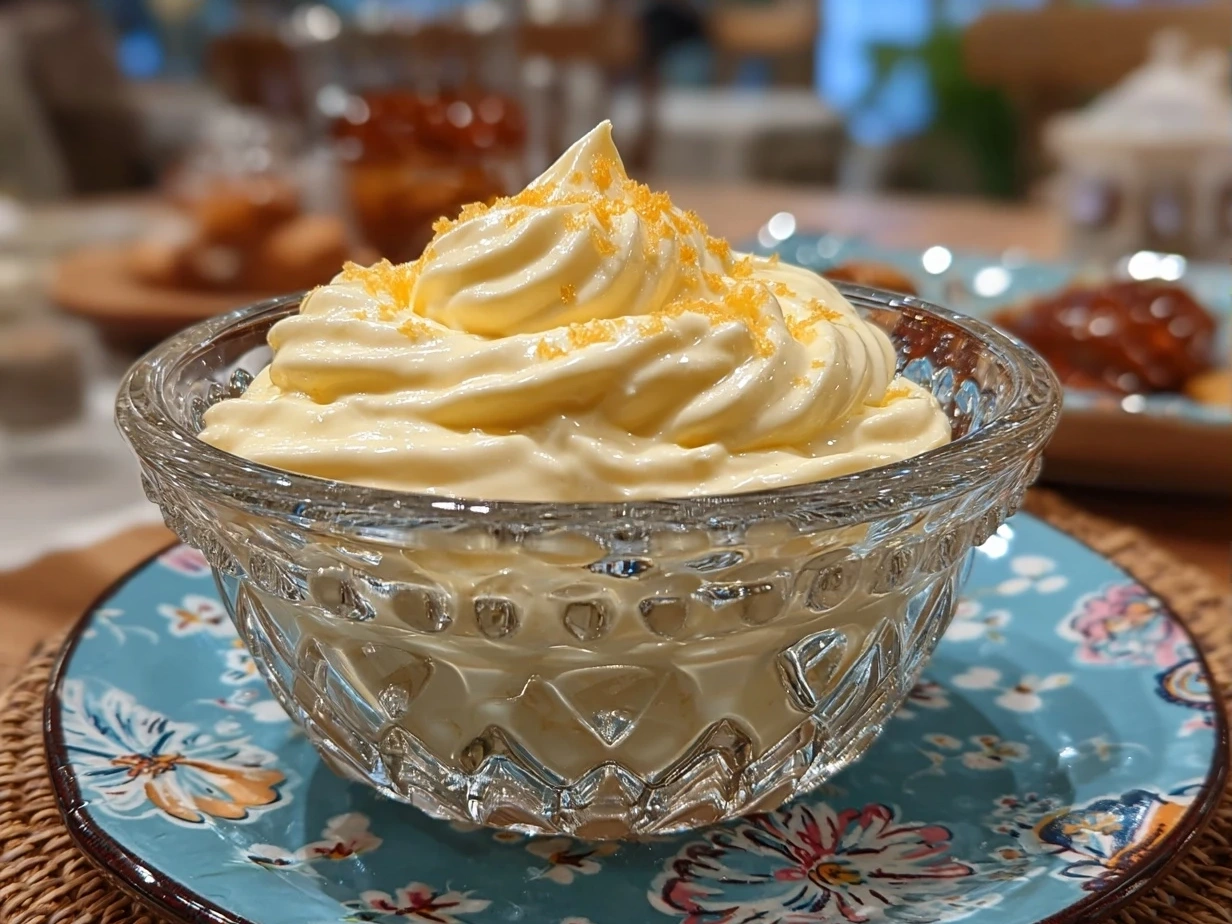
homemade mayonnaise
This homemade mayonnaise offers a creamy, rich texture with a natural flavor, perfect for sandwiches, dressings, and dips.
- Prep Time: 10 minutes
- Cook Time: 0 minutes
- Total Time: 10 minutes
- Yield: 8 servings
- Category: Snack
- Method: No-Cook
- Cuisine: American
Ingredients
- 1 large egg yolk
- 1 teaspoon Dijon mustard
- 1 tablespoon lemon juice or white vinegar
- 1 cup neutral oil (such as vegetable or canola oil)
- Salt to taste
- Freshly ground black pepper, optional
Instructions
- In a medium bowl, whisk together the egg yolk, Dijon mustard, and lemon juice until fully combined.
- Slowly drizzle the oil into the mixture while continuously whisking vigorously to emulsify.
- Continue adding the oil gradually and whisking until the mixture thickens and all the oil is incorporated.
- Season with salt and pepper to taste, whisking once more to blend.
- Transfer the mayonnaise to a clean container and refrigerate for at least 30 minutes before serving.
Notes
For a flavored mayo, add minced garlic or fresh herbs during the whisking step for an extra burst of taste.